Walking into a new dental office can feel more stressful than most people admit. You are filling out forms, trying to remember your health history, wondering if treatment will hurt, and hoping you are not about to get hit with confusing costs. If you are bringing a child, a partner, or an older parent, that pressure gets heavier. You are not just looking for clean teeth. You are looking for clarity, respect, and a sense that someone will explain what is happening before anything starts, especially when choosing a dentist in Rockingham, NC.
That is where family dental practices help new patients feel oriented and informed in ways that matter right away. A good office does more than schedule an exam. It explains the first visit, reviews your concerns, sets expectations about X rays and treatment, and gives you a clear path for follow up care. A strong new patient dental experience leaves you feeling less guarded and more able to make decisions with confidence.
Family dentist visits feel easier when the process is explained clearly
Most dental anxiety grows in the gaps. You do not know how long the visit will take, what the dentist will find, or whether the office will pressure you into treatment. That uncertainty can make even a routine cleaning feel loaded.
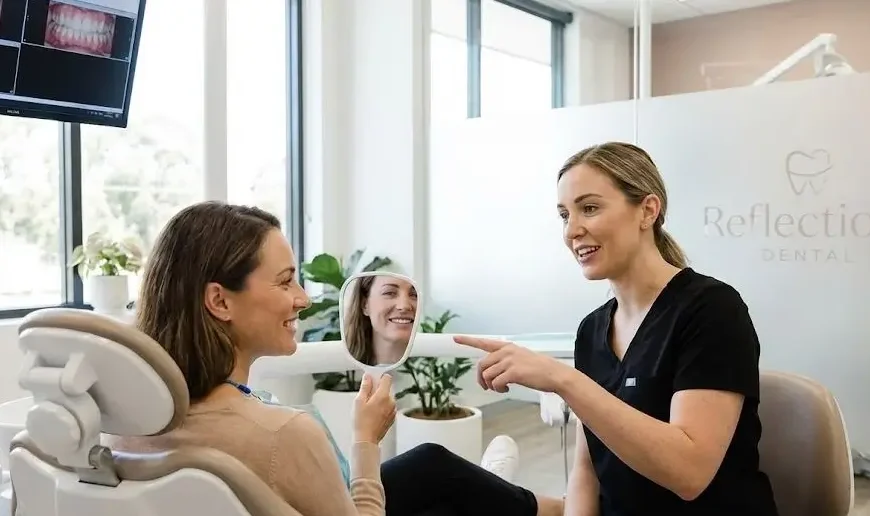
A well run family dentist office lowers that tension before you sit in the chair. Staff members often explain paperwork in plain language, confirm insurance details when possible, and tell you what the first appointment usually includes. That might be a review of your dental history, digital imaging, a cleaning if appropriate, and time with the dentist to discuss any concerns. When people know the sequence, they are less likely to feel cornered.
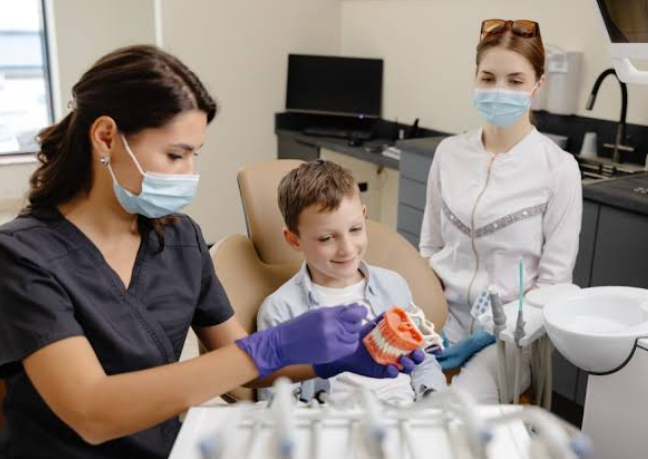
This matters even more for families. A parent bringing in a nervous child may need to know whether they can stay in the room. An adult caring for an aging parent may need help with medication lists or treatment planning. A teen getting established with a new provider may need privacy, but still need guidance. Family practices are often built around these everyday realities, which makes care feel less clinical and more usable.
New patient dental care works better when questions are welcomed early
People often delay care because they are embarrassed. Maybe it has been years since the last cleaning. Maybe a broken tooth has been ignored because money was tight. Maybe gums bleed and you are worried about being judged. Silence builds around these problems, and then one small issue turns into pain, infection, or a larger bill.
Good new patient dental care interrupts that cycle by making space for honest conversation. Instead of jumping straight into treatment, the office helps you talk through symptoms, timing, habits, and goals. You might say you want to fix pain first and cosmetic work later. You might need the least expensive option right now. You might want to understand whether a child’s grinding is normal. Clear answers make the visit feel manageable.
Reliable education also helps patients sort through the noise. Basic guidance from the CDC’s oral health tips for adults can support daily prevention, while MedlinePlus dental health resources give patients a readable overview of common conditions and treatments. For at home routines, the NIDCR oral hygiene guide breaks down brushing, flossing, and prevention in a way that is easy to follow. Offices that point patients toward trustworthy information help them stay informed between visits instead of relying on random online advice.
Patient orientation in family dental practices reduces confusion about care and cost
Confusion does not stop at the exam. Many patients leave a first appointment unsure about what needs attention now, what can wait, and what each option will cost. That uncertainty can lead to stalled treatment, especially when multiple family members need care at the same time.
The best family dental offices tend to organize information in layers. First, they identify urgent issues such as pain, swelling, decay, or broken restorations. Then they outline preventive care and longer term needs. They also explain the difference between recommended treatment and optional treatment. That distinction matters. If everything is presented with the same urgency, patients can feel pressured instead of informed.
Cost conversations are part of orientation too. A clear office reviews estimates, payment timing, and financing or phased treatment when needed. If you need a crown but can only handle the exam and temporary step today, you should be told what that means, what the risks are, and how soon to return. You are in a better position when the plan is transparent.
See alslo: Secretarial Services: Streamline Your Business Operations
Clear communication changes the first visit experience
| Approach | What the Patient Often Feels | Likely Result |
|---|---|---|
| Little explanation before the exam | Guarded, rushed, unsure what comes next | Missed questions, more anxiety, delayed treatment |
| Step by step orientation at check in | Calmer, prepared, more willing to engage | Better communication and follow through |
| Treatment plan without cost breakdown | Overwhelmed, skeptical, hesitant to schedule | Postponed care and surprise bills |
| Written plan with priorities and estimates | Informed, respected, able to decide | Higher trust and clearer next steps |
| Generic advice for every patient | Unseen, unsure the plan fits real life | Lower home care follow through |
| Personalized guidance for age and needs | Supported, understood, more confident | Stronger daily habits and better outcomes |
Bring your concerns in writing
Before your first appointment, write down symptoms, medications, past dental problems, and any worries you have about pain, cost, or timing. If your mind goes blank in the chair, your notes will carry you through. This is one of the simplest ways to improve communication with a family dentist.
Ask for the visit plan and the treatment priorities
Ask what today’s appointment includes and what findings would change the plan. If treatment is recommended, ask what needs attention now, what can wait, and what happens if you delay. That one question can turn a confusing visit into a practical roadmap.
Request written estimates and home care instructions
Verbal explanations are easy to forget. Written estimates help you compare options and budget for care. Written home care instructions help you follow through once you are back in your routine, especially if more than one family member is being seen.
Family dental practices help new patients feel oriented and informed when they replace guesswork with clear guidance. You should know who is treating you, what the first visit involves, what the findings mean, and what your next steps are. That kind of communication builds trust fast, and trust is what makes it easier to keep showing up for care. If you are looking for a family dentist, choose an office that answers questions plainly, respects your concerns, and gives you a plan you can actually use.


 By