You may have noticed that your dental care no longer fits the shape of your life. Maybe you started with a pediatric office for your child, or you have been seeing different dentists for different needs, and now every cleaning, cavity check, and schedule change feels like one more thing to manage. That kind of friction adds up. When your household has multiple ages, different routines, and changing oral health needs, keeping everyone in separate systems can start to feel harder than it should. Working with an experienced dentist in West San Jose can make it easier to bring that care together in one place.
A family dental practice often makes sense when convenience, continuity, and comfort start to matter as much as the appointment itself. The shift is not only about having one office for everyone. It is also about building a long term relationship with a team that sees patterns, tracks changes over time, and helps your family stay consistent with care. If you have been wondering whether it is time to move to a family dentist, there are usually a few clear signs.
Your Household Has Outgrown Separate Dental Offices
When one child sees a pediatric dentist, you see a general dentist, and another family member goes somewhere else for restorative care, the logistics can become a quiet burden. Different portals, different insurance rules, different office hours, and repeated intake forms all take time. You may keep telling yourself it is manageable, but manageable is not the same as sustainable.
A family practice brings those moving parts into one place. That matters when school schedules, work demands, and routine care all compete for space. It also helps when a small issue, like a missed cleaning, turns into a bigger one because no one had the bandwidth to reschedule quickly.
Your Child Is Ready for a Dental Home That Can Grow With Them
Children do well when dental care feels familiar. The American Academy of Pediatric Dentistry describes the value of a dental home as an ongoing relationship that supports care from an early age. That stability becomes even more useful as kids grow into teens, need orthodontic monitoring, develop sports related concerns, or simply become more aware of their own health.
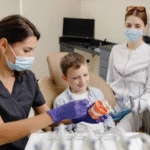
If your child is aging out of a pediatric focused setting, or if you want siblings and parents treated in one office, a family dentist can provide that continuity. The benefit is not only practical. It can lower anxiety because the faces, routines, and expectations stay familiar over time.
You Want One Provider to Track Family Patterns and Prevention
Oral health often runs in families. Some households deal with frequent cavities, gum issues, grinding, or enamel wear. When one office treats everyone, it becomes easier to spot those patterns and respond early. That can mean more focused prevention, better timing for checkups, and clearer guidance on habits at home.
The Centers for Disease Control and Prevention shares practical oral health tips for adults that support daily prevention, including brushing with fluoride toothpaste, cleaning between teeth, and keeping up with regular dental visits. In a family setting, those basics become easier to reinforce because the same team can tailor advice to each age group without losing the bigger picture.
Dental Anxiety Is Making Delays More Common
Some people put off dental visits because the process feels stressful, even when they know they should go. Children pick up on that tension, and adults often carry old fears longer than they admit. If your family keeps postponing appointments, choosing a setting that feels more personal and predictable can help break that cycle.
A family practice often reduces the emotional load because everyone learns the same office rhythm. That familiarity matters. A child who sees a parent comfortably checking in for a cleaning may feel less nervous. An adult who has avoided care may find it easier to return when the office already knows the family and the tone feels calm instead of rushed.
Your Care Needs Are Becoming More Connected
Life changes oral health. Pregnancy, aging, medications, diet shifts, braces, sports, stress, and chronic health conditions all affect the mouth. MedlinePlus explains that oral health problems can include tooth decay, gum disease, and other conditions that worsen when care is delayed. If your family is entering a stage where needs are changing quickly, scattered care can make those changes harder to manage.
This is often the point when people start searching for a dental office for all ages or a family dental provider without using those exact words. They just know they need care that feels connected. A family practice can coordinate preventive visits, monitor changes over time, and help you avoid the stop and start pattern that leads to missed details.
A Family Dentist Often Makes Daily Life Easier
Convenience is not a small thing. It affects whether care happens at all. A single office may offer back to back appointments, one billing system, and one treatment philosophy across the household. That can reduce missed work, missed school, and the mental drain of managing several providers at once.
If you have been looking for signs you need a new dentist, this is one of the strongest. You should not have to work this hard just to maintain routine care. Transitioning to a family dental practice can be a practical fix, not a dramatic decision.
Separate Dental Care and Family Dental Care Compare Differently Over Time
| Factor | Separate Providers | Family Dental Practice |
| Scheduling | Multiple calendars and appointment dates | Often easier to group visits on the same day |
| Records and history | Health details spread across offices | One team can track changes across the family |
| Comfort level | New settings may increase stress | Familiar staff can reduce anxiety over time |
| Prevention | Advice may feel fragmented | Consistent guidance for children, teens, and adults |
| Daily logistics | More calls, forms, and billing systems | Simpler coordination for the household |
Clear Steps Help You Make the Transition Smoothly
Review your family’s current dental setup. Write down who sees which provider, how often appointments get delayed, and where the process keeps breaking down. If you are constantly juggling schedules or repeating the same paperwork, that is useful information.
Ask focused questions before switching. Find out whether the office treats children, teens, adults, and older patients. Ask about preventive care, restorative services, appointment blocks for families, and how they handle anxious patients. You are not only choosing a dentist. You are choosing a system that needs to work in real life.
Transfer records and start with routine visits. Begin with cleanings and exams so the new office can build a full picture of your family’s needs. That creates a baseline and makes future treatment decisions simpler and more informed.
If your current setup feels scattered, there is a reason it keeps bothering you. Dental care should support your life, not compete with it. A family dentist can give your household more consistency, less stress, and a better chance of staying on top of care before small problems become expensive ones. When you are ready, schedule a visit with a trusted family dental office and make the switch on your terms.


 By