You may have noticed it slowly. A coworker shows up with clear aligners. A friend in their forties mentions braces without embarrassment. You catch your reflection on a video call and start thinking about the crowding, the bite issue, the tooth that has always sat a little out of line. Adult life has a way of pushing these concerns aside until one day they stop feeling cosmetic and start feeling personal, leading many people to explore orthodontics in South Nashville.
That is a big reason why orthodontics is a growing trend among adults. People are not chasing perfection. They are paying attention to comfort, function, long term oral health, and confidence. More adults are deciding that if a problem can be improved, it does not make sense to keep living with it for another ten or twenty years.
The rise in adult orthodontic care is tied to better treatment options, more awareness, and less stigma. Clear aligners and less visible braces have made treatment easier to fit into work and family life. Research is also helping people connect alignment with oral health. A recent Tufts report on why more adults are embracing orthodontics points to exactly that shift. Adults are seeing orthodontic treatment as health care, not just something for teenagers.
Adult orthodontic treatment is about more than appearance
If your teeth feel crowded, hard to clean, or uncomfortable when you bite, you already know this is not only about looks. A misaligned bite can lead to uneven wear, jaw strain, trapped food, and daily frustration that builds quietly over time. You brush and floss, but some spots still feel impossible to reach. Dental cleanings become more stressful because you know where the trouble areas are.
That low grade stress matters. When teeth are difficult to clean, plaque and gum problems can follow. The National Institute of Dental and Craniofacial Research report on oral health in America makes the larger point clearly. Oral health affects overall health, quality of life, and daily function. Adults are hearing that message more often, and many are acting on it.
This helps explain the steady rise in adult braces and aligners. A straighter smile may be the visible result, but the decision often starts with something less visible. Headaches after chewing. A chipped tooth that keeps hitting wrong. Gum recession around crowded teeth. Speech concerns. The feeling that your mouth is working harder than it should.
Modern orthodontist care fits adult life better than it used to
Adults tend to weigh everything against time, money, and disruption. You are not just asking whether treatment works. You are asking how it fits into meetings, parenting, travel, budgets, and the simple fact that you do not want to feel self conscious for two years.
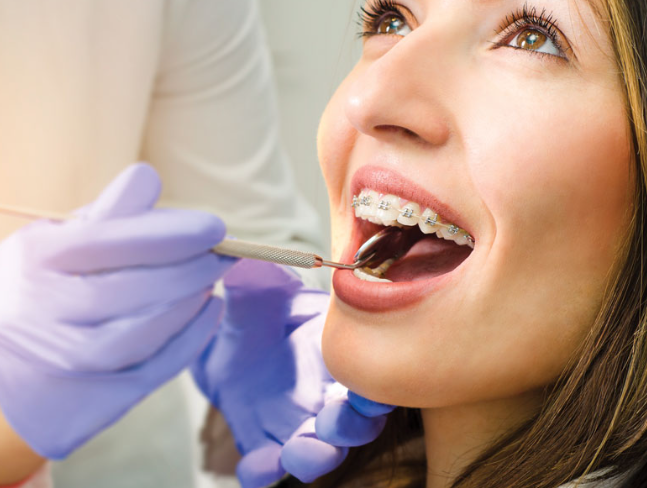
That is where modern orthodontist care has changed the conversation. Clear aligners are removable for meals and brushing. Ceramic braces blend in more than traditional metal braces. Digital scans have replaced many messy impressions. Treatment planning is often more precise, which helps adults understand the timeline and the tradeoffs before they commit.
There is also a social shift. Adults no longer see orthodontics as something they missed their chance to do. They see it as deferred care. That difference matters. It removes the shame and replaces it with a practical question. If you can improve your bite, protect your teeth, and feel better about your smile, why keep waiting?
Comparing common adult orthodontic options helps clarify the decision
Not every treatment is right for every case. Mild spacing may respond well to aligners, while more complex bite issues may need braces or a longer plan. The best option depends on tooth movement, habits, lifestyle, and budget.
| Option | Best Fit | Main Benefits | Main Limits |
|---|---|---|---|
| Clear aligners | Mild to moderate crowding or spacing, adults who want a discreet option | Removable, easier brushing and flossing, less visible in social and work settings | Requires discipline, not ideal for every complex bite issue |
| Ceramic braces | Adults who need more control than aligners but want a lower profile look | Less noticeable than metal braces, effective for many cases | Still fixed to teeth, can be harder to clean around |
| Metal braces | Complex movement and bite correction | Reliable, precise, often effective for difficult cases | Most visible option, food and cleaning adjustments needed |
The growth of orthodontic care for adults also reflects a simple truth. Adults usually follow through when they understand the reason behind treatment. If the goal is not just a nicer photo but fewer long term problems, the process feels easier to justify.
Small concerns often become bigger and more expensive with time
A lot of adults wait because the issue seems manageable. The tooth is only slightly crooked. The bite only feels off sometimes. The crowding has always been there. That logic makes sense until the wear gets worse, a cracked edge needs repair, or gum irritation becomes a pattern instead of an occasional annoyance.
Orthodontic problems do not always stay still. Teeth shift with age. Dental work like crowns or implants can make future movement more complicated. If you are already investing in your oral health, alignment affects how well that investment holds up. Straightening teeth is often easier than repeatedly repairing the effects of poor alignment.
Three practical steps to take before starting orthodontic treatment
Get a full evaluation, not a quick quote. You need more than a price and a promise. Ask for a complete exam, bite assessment, and treatment options based on your actual tooth movement needs. The right plan starts with diagnosis.
Ask how the plan fits your routine. Be direct about work, travel, meals, and cleaning habits. If you know you will not wear removable aligners as directed, fixed braces may be the better choice. A realistic plan beats an ideal one you cannot maintain.
Think in terms of long term value. Compare cost, treatment time, retention needs, and the dental problems treatment may help prevent. The cheapest option can become the most expensive if it does not address the real issue.
See also: Daily News Websites Readers Trust
Adult orthodontics is becoming normal for good reason
There is nothing frivolous about wanting your teeth to function better and feel easier to care for. There is nothing late about doing this as an adult. More people are choosing orthodontic treatment now because the reasons are clearer, the options are better, and the benefits reach beyond appearance.
If you have been putting this off, start with a consultation with an orthodontist and get clear answers about your bite, your options, and your timeline. A treatment plan that fits your life can make the decision feel much less overwhelming.


 By