Farm work involves a diverse range of hazards — sharp tools, thorny plants, rough materials, chemicals, and adverse weather conditions. agriculture gloves designed specifically for agricultural applications provide the specialized protection that general-purpose work gloves often fail to deliver for these unique environments.
Understanding Agricultural Hazards
Chemical and Biological Risks
Agricultural workers frequently handle pesticides, herbicides, fertilizers, and other agrochemicals that can penetrate the skin and cause both acute and chronic health effects. Gloves for chemical handling must be made from materials that resist permeation by specific chemical families — a product label indicating the chemicals handled should always be cross-referenced with the glove’s chemical resistance chart.
Biological hazards including soil bacteria, animal waste, and plant pathogens also affect glove selection. Waterproof materials that can be cleaned easily between tasks reduce the risk of pathogen transmission.
Mechanical Protection for Field Work
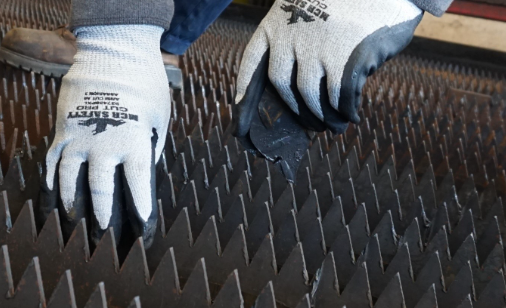
Harvesting, pruning, weeding, and general field maintenance all expose workers to mechanical hazards including cuts from tools and thorns, abrasion from rough surfaces, and impacts from falling or thrown objects. Cut-resistant gloves with appropriate coatings provide meaningful protection for these tasks.
Gloves for driving and operating farm equipment should prioritize grip and vibration reduction. Anti-vibration gloves reduce the cumulative effects of operating tractors, harvesters, and other vibrating equipment over long work periods.
Weather Resistance and Comfort
Agricultural work takes place in all weather conditions. Cold, wet, muddy conditions require gloves that maintain grip when soaked and provide thermal insulation without excessive bulk. Hot conditions require breathable designs that prevent excessive sweating, which can both degrade grip and cause skin irritation.
Many agricultural workers prefer gloves with extended cuffs to prevent debris, chemicals, and moisture from entering at the wrist. For spray application tasks, gloves that can be worn under a chemical resistant suit sleeve provide the most comprehensive protection.
Frequently Asked Questions
Q: Can I use the same gloves for pesticide handling and general farm work?
A: It is not advisable. Chemical resistant gloves may not provide adequate cut or abrasion protection for field work, and general work gloves may not offer adequate chemical protection. Using task-specific gloves is the safer approach.
See also: Technology and Personal Data Usage
Q: Are there gloves designed specifically for livestock handling?
A: Yes. Gloves for livestock handling prioritize waterproofing, grip in wet conditions, and resistance to animal waste. Some designs also provide protection against animal bites.
Q: How should agricultural gloves be stored?
A: Store away from direct sunlight, heat sources, and ozone-generating equipment. Chemical resistant gloves should be stored away from the chemicals they protect against to prevent accelerated degradation.
Conclusion
Agriculture gloves are a fundamental element of farm worker safety. By selecting task-specific products that address the actual hazards present — chemical, mechanical, biological, or environmental — agricultural operations can significantly reduce hand injury rates and protect their most valuable asset: their workforce.


 By
By